

6 Countries With Relatively Accessible Immigration Pathways in 2026 — Where Could You Go Next?
Thinking about moving abroad but don’t have a local job offer or a long list of qualifications?
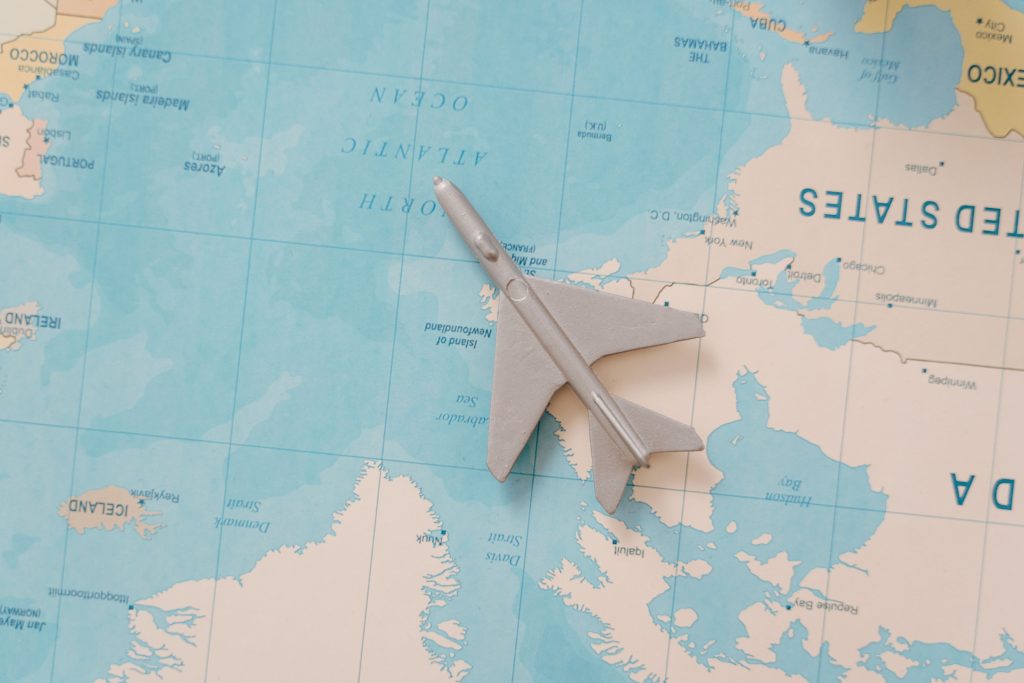
Moving to another country can seem complicated. You may think you need a high-paying job, a university degree, a local employer, or years of professional experience before you can even consider living abroad.
But that’s not always the case. Some European countries offer residence pathways based on financial independence, remote work, personal income, or other circumstances rather than requiring a local employment contract.
That doesn’t mean getting residency is guaranteed or that staying permanently is automatic. Immigration requirements can be strict, and the rules can change. Still, if you’re dreaming about starting a new life somewhere in Europe, these six countries are worth exploring.
Important: Immigration laws and residence requirements can change frequently. Always check the latest information on the official government or immigration website before making plans, paying fees, booking travel, or submitting an application.

1. Greece
Financial independence without a local job. Greece can be interesting for people who have a stable source of income and don’t necessarily need to work for a Greek employer.
The country offers a residence permit for financially independent individuals. The idea is relatively simple: instead of getting a job in Greece, you demonstrate that you have sufficient and stable financial resources to support yourself without working in the country.
This can be relevant for people with savings, investments, pensions, or other qualifying sources of income.
Why consider Greece?
- A local job is not necessarily required for this residence route
- A university degree is not the main requirement
- Mediterranean lifestyle
- EU country
- Possibility of building a longer-term residence history
The exact financial requirements and supporting documents matter, so this is not a “move there with no money” option.
Good for: financially independent people who want to live in Greece without relying on a local employer.
Keep in mind: This type of residence permit is different from a work permit. You should carefully check what activities you are allowed to carry out while holding it.

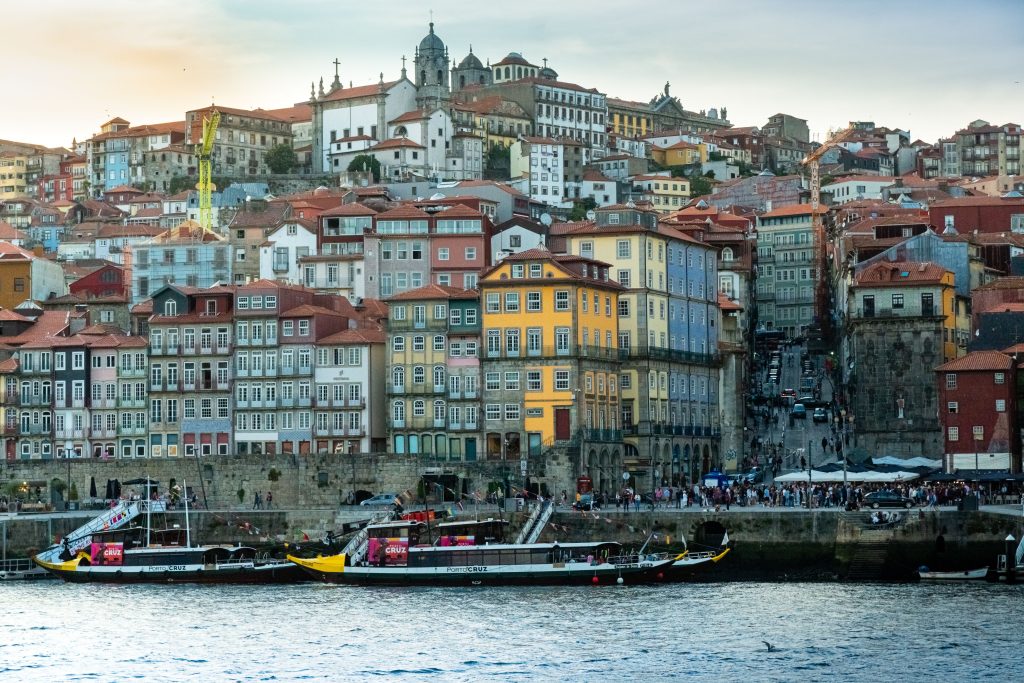
2. Portugal
A residence route based on your own income. Portugal is another country worth considering if you can support yourself financially without relying on a Portuguese employer.
Portugal has a residence visa for people who intend to live in the country using their own income. This route can be relevant to people with pensions, investments, rental income, or other qualifying sources of income.
Portugal also has other residence pathways for workers, entrepreneurs and remote professionals, so the right route depends heavily on your personal situation.
Why consider Portugal?
- Residence route based on personal income
- No Portuguese employer is necessarily required for the own-income pathway
- EU country
- Several different residence options
- Large international community
The important part is proving that your financial situation meets the applicable requirements.
Good for: people with stable independent income who want to build a life in Portugal.
Keep in mind: Having enough money for a visa does not automatically mean you qualify for permanent residence or citizenship. Those are separate stages with their own requirements.
3. Spain
Live in Spain without taking a local job. Spain has a non-lucrative residence visa for people who want to live in Spain without carrying out work or professional activities there.
Instead of a Spanish employment contract, applicants generally need to demonstrate sufficient financial means and meet other requirements, including health insurance. The initial residence authorization is generally issued for one year.
That makes Spain particularly interesting for people who already have enough financial resources to support themselves.
Why consider Spain?
- No Spanish employment contract required for this route
- No specific university degree is the central requirement
- Mediterranean lifestyle
- Large international communities
- Established residence system
There is an important limitation, though:
Non-lucrative residence is not designed as a work visa.
If your plan is to work remotely or run a business, you should investigate whether another Spanish residence category is more appropriate for your situation.
Good for: financially independent people who want to live in Spain without working locally.

4. Malta
A small European country for remote professionals. Malta takes a different approach.
The country offers a Nomad Residence Permit for eligible third-country nationals who work remotely for employers or businesses located outside Malta.
This means you don’t necessarily need a Maltese employer. Instead, your professional activity can remain connected to another country while you live in Malta, provided you meet the program’s requirements.
Why consider Malta?
- Dedicated digital nomad residence pathway
- Local employment is not required under the nomad route
- English is an official language
- EU country
- Small, highly international environment
- Attractive location for remote professionals
Of course, this route is designed specifically for people who already have qualifying remote employment or self-employment.
Good for: remote employees, freelancers and entrepreneurs whose professional activity is based outside Malta.
Keep in mind: There are income and other eligibility requirements, so simply working online isn’t enough by itself.

5. Croatia
Another option for digital nomads. Croatia has also established a residence pathway for digital nomads. The program is aimed at third-country nationals who work remotely for companies or clients outside Croatia.
That makes it different from traditional skilled-worker immigration: you don’t necessarily need to find a Croatian employer first.
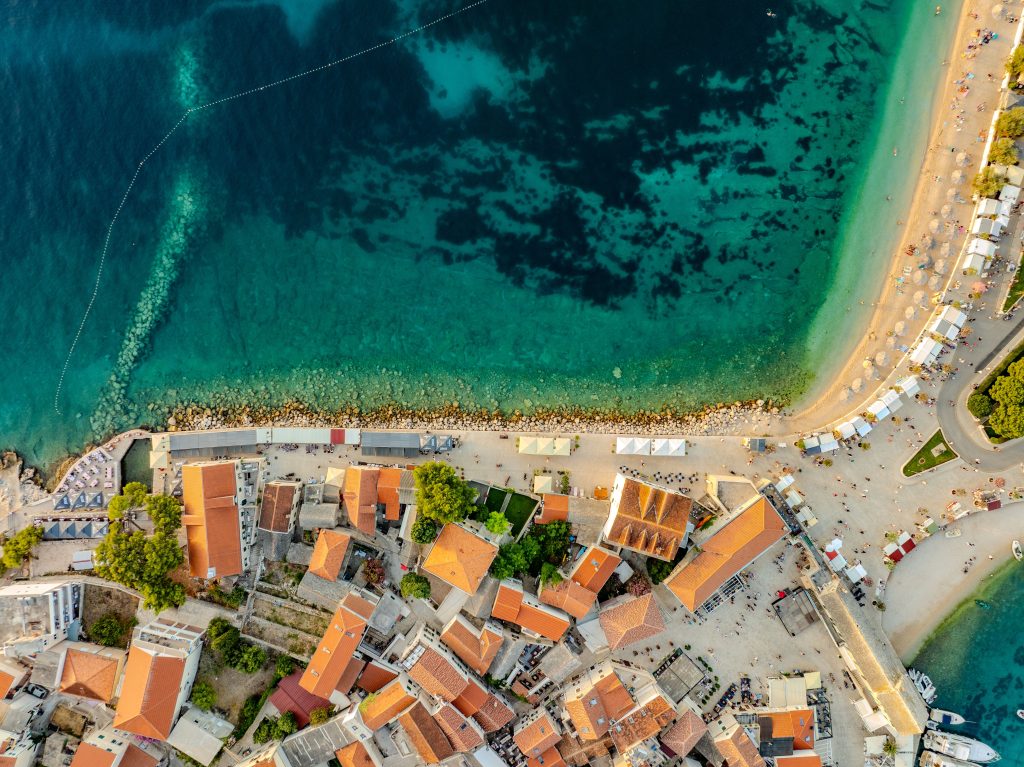
magine spending your working day with your laptop and then finishing the day somewhere along the Adriatic coast. Not a bad office.
Why consider Croatia?
- Digital nomad residence pathway
- No Croatian employer required under the relevant route
- Beautiful coastline and islands
- EU country
- Suitable for remote professionals
As with Malta, the important question is whether you meet the specific definition of a digital nomad and the financial and documentation requirements.
Good for: remote employees, freelancers and entrepreneurs working with clients or companies outside Croatia.
6. Turkey
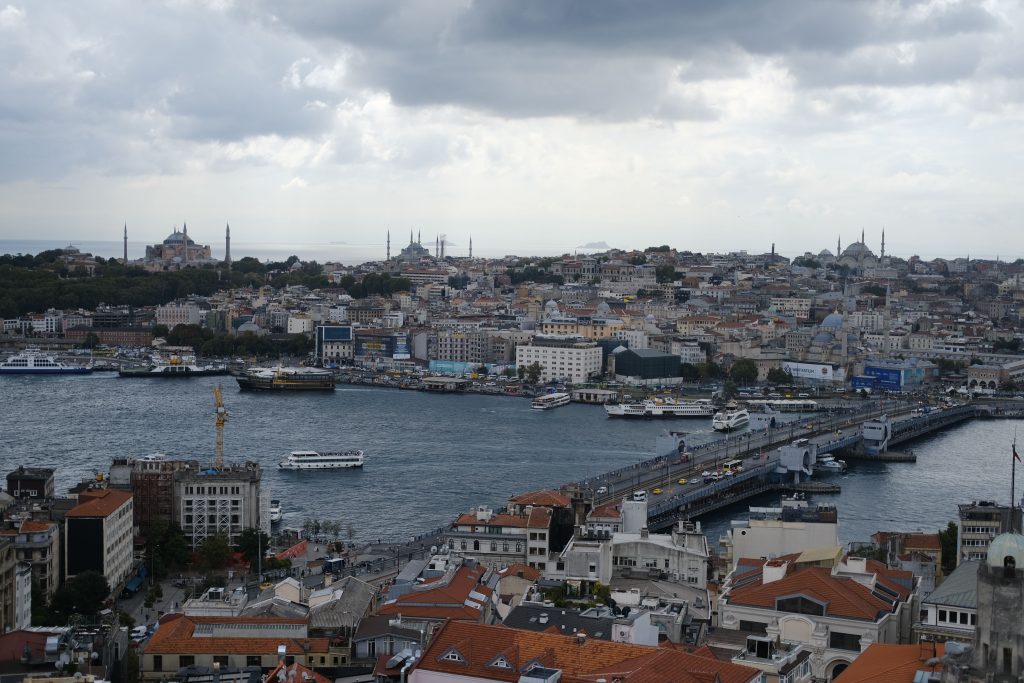
A residence option that doesn’t necessarily require a local job. Turkey is an interesting example because its residence system includes several different categories. One of them is the short-term residence permit, which can be available for certain purposes including tourism, provided the applicant meets the applicable requirements.
This means that, depending on the circumstances and current rules, a person may be able to obtain legal residence without first having a Turkish employment contract. However, there is a very important distinction:
A short-term residence permit is not the same thing as permanent residence. And having previously held a residence permit does not automatically mean that it will be renewed indefinitely.
Why consider Turkey?
- Several residence categories
- Some pathways do not require a local employment contract
- Relatively accessible location for people already living in the region
- Large international communities
- Lower cost of living in some areas compared with Western Europe
Turkey can therefore be interesting for people who want to establish legal residence first and then explore longer-term options.
Good for: people who want temporary legal residence and have a qualifying basis for a residence permit.
Keep in mind: Residence rules and renewal practices can change, and a tourist/short-term residence permit should not be treated as a guaranteed route to permanent residence or citizenship.
So, Which Country Is Right for You?
There isn’t one country that is simply “the easiest” for everyone. Your best option depends on what you have right now.
If you have independent income: Greece, Portugal or Spain may be worth researching.
If you work remotely: Malta or Croatia may be interesting options to investigate.
If you want temporary residence without a local job: Turkey may have relevant residence categories depending on your circumstances.
And if you have a degree, professional experience or a job offer, an entirely different group of immigration pathways may become available.

Before You Make Any Plans
Immigration rules are not permanent. Visa requirements, minimum income thresholds, application procedures, residence periods and renewal rules can change — sometimes surprisingly quickly.
So before you make a decision:
- Check the official immigration website.
- Check the requirements for your nationality.
- Check the current income or financial requirements.
- Check whether you are allowed to work under the specific residence category.
- Check the renewal conditions.
- Check the path, if any, from temporary residence to permanent residence.
- Check the requirements for citizenship separately.
Never rely on an old TikTok, Reddit post, blog article or YouTube video as your only source of immigration information. The rules that applied two years ago may not be the rules that apply today.

Moving abroad doesn’t always start with finding a local employer. Depending on your circumstances, you may have other legal options — from financial independence residence in Greece, Portugal or Spain to digital nomad routes in Malta and Croatia, or temporary residence categories in Turkey.
The key is not to look for a country where immigration is “easy.” Instead, look for a country where the legal requirements match your actual situation. And before you book that one-way flight, always check the latest official immigration rules. They can change.

What country would you chose? Maybe you already live in the one of them? Share in the comments! ❤️








Leave a Reply