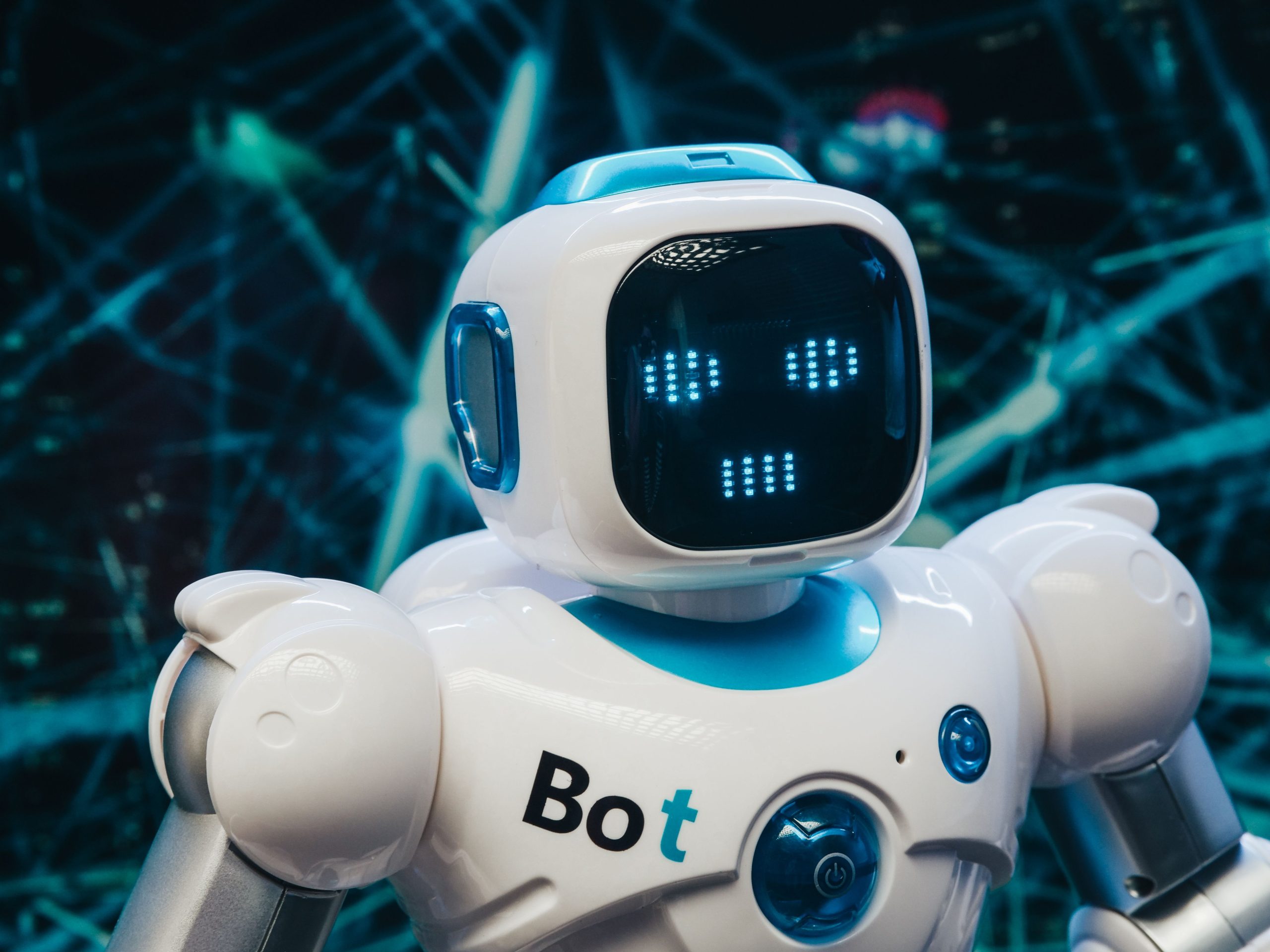

Do dating sites use bots to keep you swiping? Are the people on dating apps actually real? And, more importantly, do dating platforms even want you to find love?

If you’ve ever spent hours on a dating site and suddenly received a suspiciously perfect message from an incredibly attractive stranger, you’ve probably wondered whether there was a real person behind the profile.
Here’s the uncomfortable truth: yes, bots and fake profiles exist on dating sites. Some platforms have used them for engagement, promotion, or to make a relatively small dating pool look more active.
But there’s another side to the story that rarely gets talked about.
After working in the dating industry for around 10 years, I’ve seen quite a lot of what happens behind the scenes. And the reality is much more complicated than “dating sites are full of bots.”
Yes, Some Dating Sites Use Bots
Let’s start with the part people usually want to hear. Yes, some dating websites and apps use bots or automated profiles.
This has historically been more common among smaller platforms, especially those trying to quickly build an active-looking community. If a dating site has just launched and only has a few hundred real users, opening the app and seeing an almost empty feed isn’t exactly motivating.
Some platforms may use automated profiles or other forms of artificial engagement to make the service appear more active. But this doesn’t mean that every person you see is fake. And it certainly doesn’t mean that every dating platform operates this way.
In fact, many smaller dating sites can be surprisingly genuine.
For example, a platform focused on a particular region, language, age group, or type of relationship may have a relatively small but highly targeted community. A dating site specifically designed for people looking for serious relationships in a particular country or language may have no reason to fill its platform with bots.
Its entire business model depends on having real people who actually meet each other.
Fake Profiles Are a Problem — Even When the Site Doesn’t Create Them
There is another important distinction. A dating site can have fake profiles without creating those profiles itself.
Scammers, spammers, catfishers and other bad actors constantly register on dating platforms. And unfortunately, even the best verification system can’t catch every single one immediately.
A dating site could have:
- photo verification;
- phone verification;
- email verification;
- AI-powered profile analysis;
- suspicious-behavior detection;
- automated moderation;
- manual reviews;
- reporting systems.
And someone can still find a way through. Why? Because scammers are getting smarter. They use real-looking photographs, carefully written biographies, convincing stories and increasingly sophisticated conversation techniques. Some even spend days or weeks building trust before asking for money or personal information.
So when you encounter a fake profile, it doesn’t automatically mean the dating site put it there. Sometimes, it means someone successfully bypassed the site’s security.

Dating Sites Actually Have a Reason to Fight Bots
Here’s something that often gets overlooked. A reputable dating site has very little to gain from having thousands of fake profiles. Think about it from a business perspective.
If users constantly receive messages from fake accounts, get scammed, discover that their matches aren’t real, or become frustrated by bots, what happens?
They leave. And then they tell their friends. And suddenly the dating site’s reputation suffers. That’s the last thing an established dating platform wants.
This is why serious dating companies continuously invest in better matching algorithms, verification systems, moderation and fraud detection.
They have a very obvious incentive: real users + good experiences = better reputation + more users.
“But Dating Sites Don’t Want You to Find Love!”
This is probably one of the biggest myths in online dating. The theory goes something like this:
“If you find a partner, you’ll delete your account. So dating sites want to keep you single forever.”
It sounds logical. But the reality is more complicated — and, in my experience, the idea that dating platforms generally don’t want people to find relationships is simply wrong.
A successful dating platform wants people to have good experiences.
Why? Because happy users create growth. Imagine you meet someone, fall in love, and have a great experience with a dating platform. What are you more likely to do? Tell your single friend about it. Your sister. Your colleague. Your friend who has been complaining about dating for six months. That’s how dating platforms grow.
And yes, users can pay for subscriptions, premium features, boosts and other services while they’re using the platform. But keeping someone endlessly frustrated isn’t necessarily a great long-term strategy.
Eventually, that person gets tired. They lose motivation. They stop opening the app. They become frustrated. And eventually, they leave.
A platform with a strong reputation for actually helping people meet compatible partners has something much more valuable than one frustrated user who keeps paying for another month. It has trust.

The Algorithms Are Getting Better for a Reason
Look at how much effort major dating platforms put into matching. They analyze preferences, behavior, location, interests, interactions and countless other signals to determine who might be compatible with whom.
Why would they spend so much money and time developing these systems if they didn’t care whether users actually found good matches?
Of course, the algorithm isn’t magic. No system can predict human chemistry. You can have 95% compatibility with someone on paper and absolutely nothing to talk about in real life. But the goal is still the same: increase the chances that two real people will connect.
The same applies to safety systems.
Dating platforms have become increasingly focused on detecting fake accounts, scams and suspicious behavior because these things damage the user experience. And when the user experience gets worse, people leave.
So, How Many Fake Profiles Are There?
This is where things get tricky. There is no universal percentage that applies to all dating sites. The number of fake accounts can vary dramatically depending on the platform, country, audience, business model, moderation system and how attractive the platform is to scammers.
So when someone says: “Half of all profiles on dating apps are bots!” Take it with a huge grain of salt.
On an established dating platform with strong verification and moderation, the overwhelming majority of people you encounter can be real users. That doesn’t mean you should blindly trust everyone. It means you shouldn’t assume that everyone is fake either.

How to Choose a Dating Site With Fewer Fake Profiles
Instead of trying to figure out whether every individual profile is real, look at the platform itself. Before creating an account, check:
1. How long has the dating site been around?
A platform that has been operating successfully for many years has more to lose from a bad reputation.
2. Does it have a real support team?
Try contacting customer support. See whether there are actual people responding and whether the company takes safety reports seriously.
3. Does it have verification?
Photo verification isn’t perfect, but a platform that invests in identity and profile verification is generally a better sign than one that doesn’t care about it at all.
4. Read reviews — but read them critically.
Look for patterns rather than one angry review. Every dating site will have unhappy users.
5. Check its social media presence.
Does the company communicate with users? Does it publish safety information? Does it respond to complaints?
6. Don’t automatically choose the biggest dating app.
Sometimes a smaller, established platform with a specific audience can offer a much more relevant pool of people than a gigantic app with millions of random profiles.

So, do dating sites use bots? Yes. Some do. Do fake profiles exist? Absolutely. Can scammers get through even sophisticated verification systems? Unfortunately, yes.
But does this mean that dating sites are secretly filled with fake people and don’t want you to find love? No. The dating industry is much more complicated than that.
There are bad actors. There are poorly managed platforms. There are companies that have made questionable decisions. And there are definitely dating sites where you should be careful.
But there are also many established platforms that genuinely invest in matching people, improving their algorithms, protecting users and removing fake accounts.

After spending around a decade working in the dating industry, my biggest piece of advice is simple:
Don’t judge online dating by the worst stories you see online. Judge the platform itself.
Check its reputation. Look at its history. Read reviews. Test the support team. Look at its safety features. And, most importantly, pay attention to the behavior of the person you’re talking to.
Because sometimes the profile is fake. Sometimes it’s a scammer. And sometimes… it’s just a real person who might actually be looking for the same thing you are.
And that’s the part of online dating worth remembering.
Ready to Swipe Smarter?
Now that you know what really happens behind the scenes, don’t let the fear of bots and fake profiles stop you from meeting someone new.
Want to learn how to spot a scammer before it’s too late? Check out our guide to the biggest red flags of online dating — and learn what to look for before you take the conversation offline.
Because dating should be exciting, not a guessing game. ❤️






Leave a Reply